How to Verify Chinese Suppliers Before Sending Any Payment
 Hidayat Khan·Apr 2026·10 min read
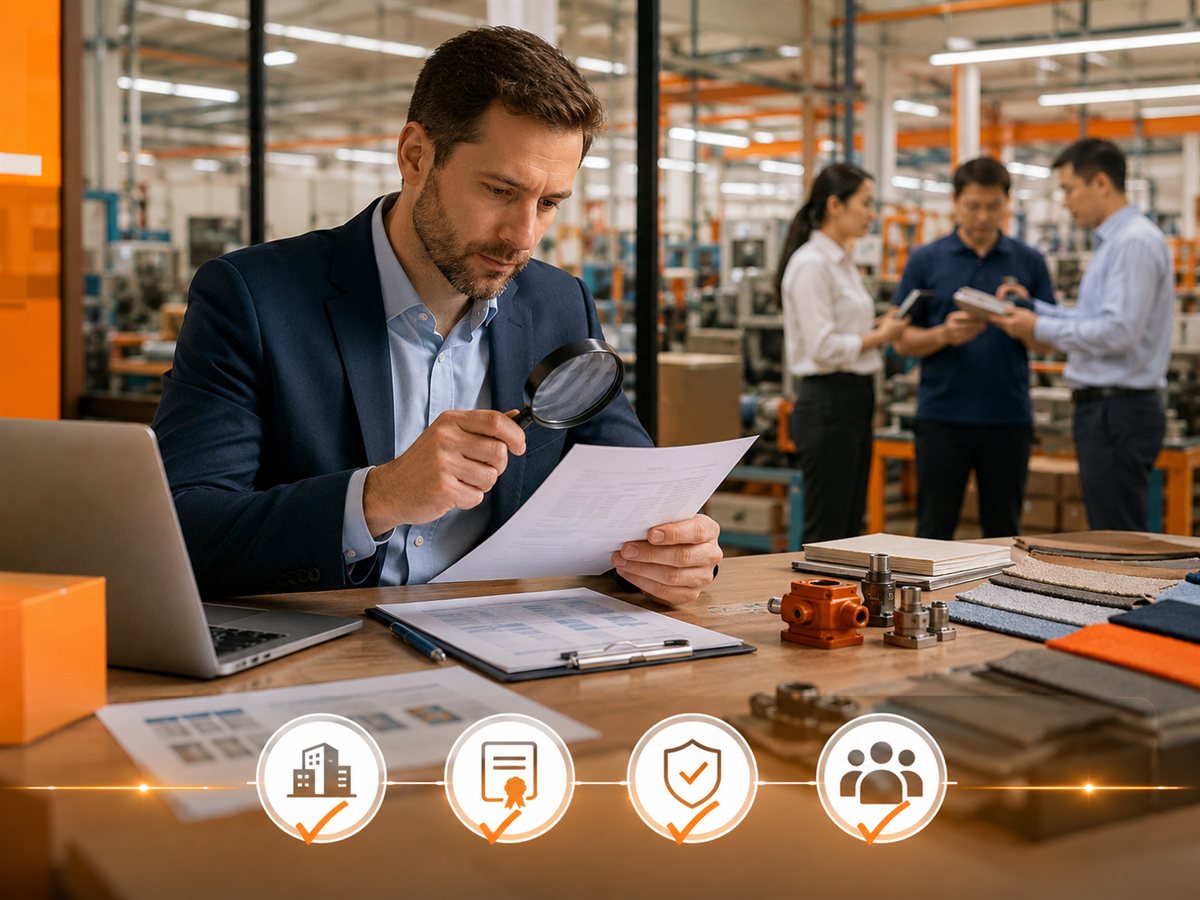
Nearly every China sourcing horror story starts the same way: a deposit was wired to a supplier nobody properly checked. The good news is that most of these losses are preventable with a few hours of disciplined verification. This guide walks you through the exact checks to run before any money leaves your account, confirming the company is real, separating factories from middlemen, reading profile warning signs, and locking down samples and contract terms.
Start with the business license and export license
Every legitimate Chinese company has a business license issued by the State Administration for Market Regulation. Ask for a clear photo or scan and check three things: the registered company name, the business scope, and the registered capital. The English name a supplier uses in emails often differs from the real Chinese-registered entity, and that registered name is what you will eventually put on a contract and a bank transfer. If the name on the license does not match the company you have been talking to, stop and ask why.
Look closely at the business scope. A company registered only for 'trade' or 'import and export' is not manufacturing anything itself, no matter what the website claims. You can verify the license number against China's public company registries, where the registration date, status, and legal representative are all listed. A firm that has only existed for a few months handling a large order is a different risk profile than one with a decade of operating history.
Export rights are a separate matter. Not every factory holds its own export license, which means some perfectly real manufacturers ship through an agent. That is not necessarily a problem, but you need to know who actually issues your commercial invoice and customs documents, and whose bank account the money goes to. Surprises at this stage are expensive.
- Confirm the registered Chinese name matches the entity you'll pay
- Read the business scope, 'trade' means they don't manufacture
- Check registration date, status and capital on a public registry
- Ask who holds the export license and issues customs documents
Factory vs trading company: how to tell the difference
A large share of 'manufacturers' online are trading companies adding a margin between you and the real factory. Trading companies are not inherently bad, a good one can manage smaller orders, mixed product lines, and quality issues for you. The danger is paying factory-direct prices for trading-company service, or not knowing there is an extra link in the chain when something goes wrong.
The fastest test is a live video walk-through of the production floor. Ask them to film the specific line that makes your product, with workers and machinery running, and to pan to the building entrance and signage. A genuine factory can do this on short notice; a trading company will stall, send old footage, or only show a showroom. Pressing for technical detail works too, ask about machine models, cycle times, tolerances, and what they can and cannot adjust. People who actually run the line answer instantly; resellers go quiet and 'check with the factory'.
Cross-check the address as well. A registered manufacturing address in an industrial zone is a good sign; an office tower address in a city centre usually means trading. None of these signals are conclusive on their own, but together they paint a reliable picture.
- Request a live, unscripted video of your line running
- Ask technical questions only a factory could answer instantly
- Check whether the address is an industrial zone or a city office
- Decide consciously whether you want a factory or an agent, don't be surprised by it
A supplier who passes every check still gets your trust last, structure the payment so passing the inspection is the only way they get paid in full.
Alibaba and 1688 profile warning signs
Platform badges give a false sense of security. 'Gold Supplier' and 'Verified' status mostly confirm that a company paid for membership and passed a basic check, they are not a guarantee of quality, honesty, or even that the company makes what it lists. Treat them as a starting filter, not a seal of approval.
Read the profile the way an underwriter would. How many years has the account actually been trading on the platform, versus how long the company claims to have existed? Does the product range make sense for one factory, or is it a scattergun catalogue of unrelated items, a classic trading-company tell? Check whether the transaction history and response data look consistent with a real, active exporter. On 1688, prices are usually quoted for the domestic Chinese market, so a number that looks far cheaper than the Alibaba equivalent is not a hidden bargain; it often excludes export packing, documents, and the margin a sourcing agent or trading company would add.
Be especially wary of deals that are dramatically below every other quote. Underpricing is the most common bait in supplier scams, and it almost always means a corner is being cut somewhere, quality, materials, or the supplier's intention to deliver at all.
- Treat 'Gold Supplier' and 'Verified' as a filter, not proof
- Compare years on the platform against claimed company age
- A scattergun, unrelated product range usually signals a reseller
- Prices far below every other quote are a warning, not a win
- Requests to pay outside the platform remove your protection
Ask for videos, certifications and references
Documentation is easy to fake and easy to verify, so always verify. If a supplier sends a certificate, CE, RoHS, FDA, ISO, BSCI, or a test report from a lab like SGS, TÜV, or Intertek, note the certificate number and the issuing body, then confirm it directly on the lab's or certifier's own system. A genuine report names the exact product, model, and applicant; a borrowed one is often for a similar item from a different company, which tells you the supplier does not hold the certification themselves.
Live video remains your most powerful tool. Beyond the factory walk-through, ask to see your specific raw materials, a packed carton, and finished units close up. References matter too: ask for two or three current overseas customers in your market and actually contact them. The questions worth asking are about reliability under pressure, did orders ship on time, how were defects handled, were there hidden costs, not whether the supplier is 'good', which everyone will say.
A supplier with nothing to hide welcomes these requests. Reluctance, delays, or vague answers about certifications and references are a signal in themselves.
Order a sample before you commit to bulk
A free sample is a marketing tool; a paid, production-specification sample is a commitment you can hold in your hand. Always pay for samples made to your exact requirements, and order from the same line that would run your bulk order, not a polished showpiece built by hand to win you over. The point is to see what mass production will actually look like.
Inspect the sample against a written specification, not a vague mental image. Measure dimensions, check materials and weight, test function, and photograph everything from multiple angles. When you approve it, approve it in writing and keep one unit sealed as your 'golden sample', the physical reference you will hold every production run against. This single habit prevents the most common dispute in sourcing, where the bulk goods quietly drift from what you agreed.
For higher-value or technical products, consider ordering samples from two or three shortlisted suppliers at once. The difference in quality, communication, and turnaround time during the sample stage is the clearest preview you will get of how each one will behave when real money and real deadlines are on the line.
- Pay for samples built on the real production line, not by hand
- Inspect against a written spec, measure, test, photograph
- Approve in writing and seal a 'golden sample' for reference
- Sample two or three suppliers to compare before deciding
Why inspection and contract terms matter before the deposit
Verification is not finished when the supplier passes your checks, it is finished when your payment is structured so that passing checks is the only way they get paid in full. Never pay 100 percent up front. A balanced arrangement, such as a deposit with the balance released only after a passed pre-shipment inspection, keeps both sides honest and gives you leverage at the exact moment you need it most: when the goods exist but have not yet left China.
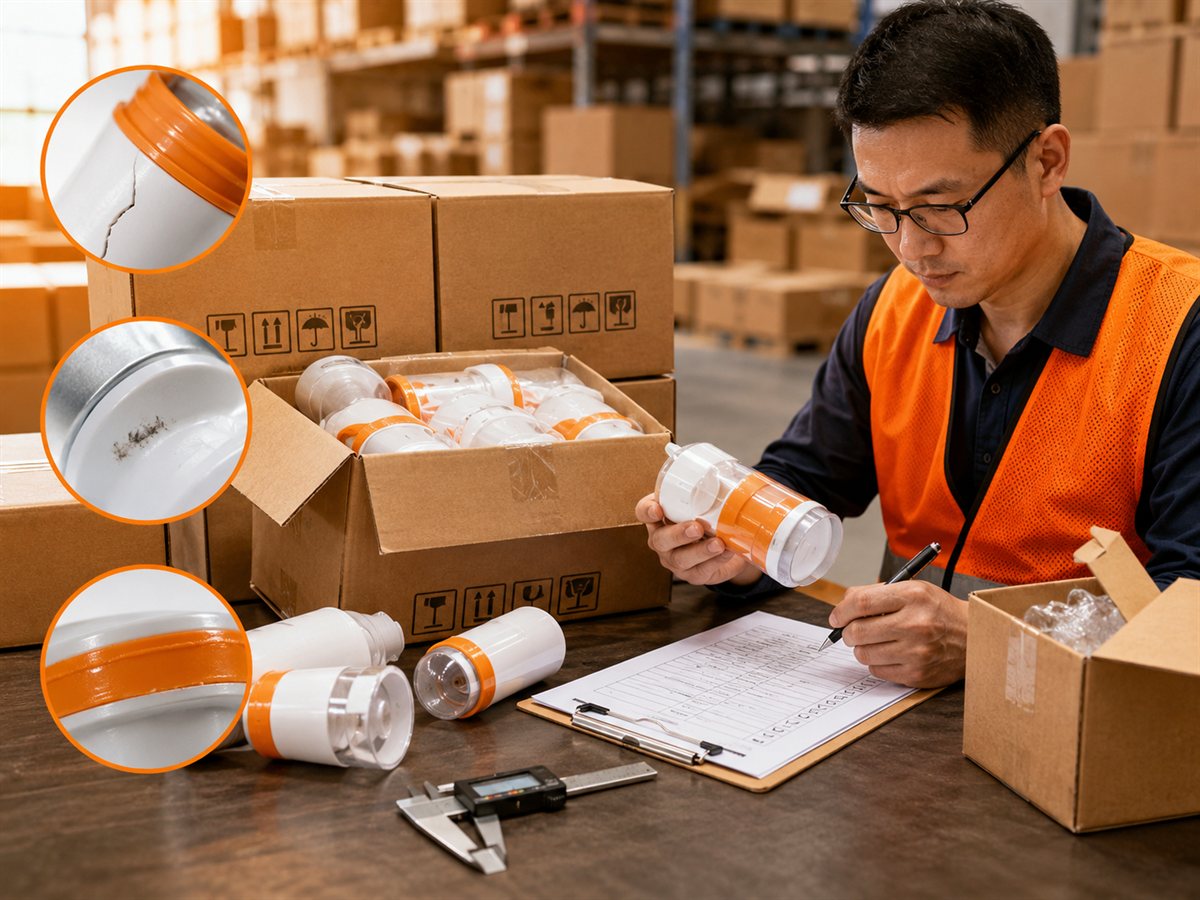
Agree the right to a third-party inspection in writing before you send a cent, and book it for after production but before the balance is paid. An inspector checks your goods against the golden sample and an agreed quality standard, catching problems while you still hold the money. A supplier who resists allowing an independent inspection is telling you something important. Equally important: pay to the registered company bank account, never to a personal account or a sudden 'new' account, which is the hallmark of both fraud and email-interception scams.
Put the deal in a clear contract or purchase order covering specifications, quantity, price, lead time, packaging, the quality standard, inspection rights, and what happens if the goods fail. None of this is bureaucracy, it is the documentation that turns a dispute from a loss into a negotiation. Running this full process on every order is precisely what a sourcing partner like Summit Sourcing does day to day, but whether you do it yourself or delegate it, the sequence is the same: verify first, sample second, inspect third, and only then release the balance.
- Never pay 100 percent up front, split deposit and balance
- Secure inspection rights in writing before paying anything
- Release the balance only after a passed pre-shipment inspection
- Pay the registered company account, never a personal one
- Document specs, quality standard and remedies in a contract
Key takeaways
- Verify the business license, registered name and export rights before anything else
- A live video of your line running separates real factories from middlemen
- Platform badges and prices far below every quote are filters, not guarantees
- Verify certificates and references directly with the issuer, never just the supplier
- Pay for a production-line sample and seal a golden sample to inspect against
- Split payment with a deposit and a balance released only after a passed inspection
Sourcing from China? Let us handle the hard part.
Tell us what you're sourcing and we'll come back with a clear plan and quote within 24 hours.
Get a free quote